

 English
 Français
 Deutsch
 Русский
 Italiano
 Español
 Nederland
 日语
日语 한국어
한국어 Svenska
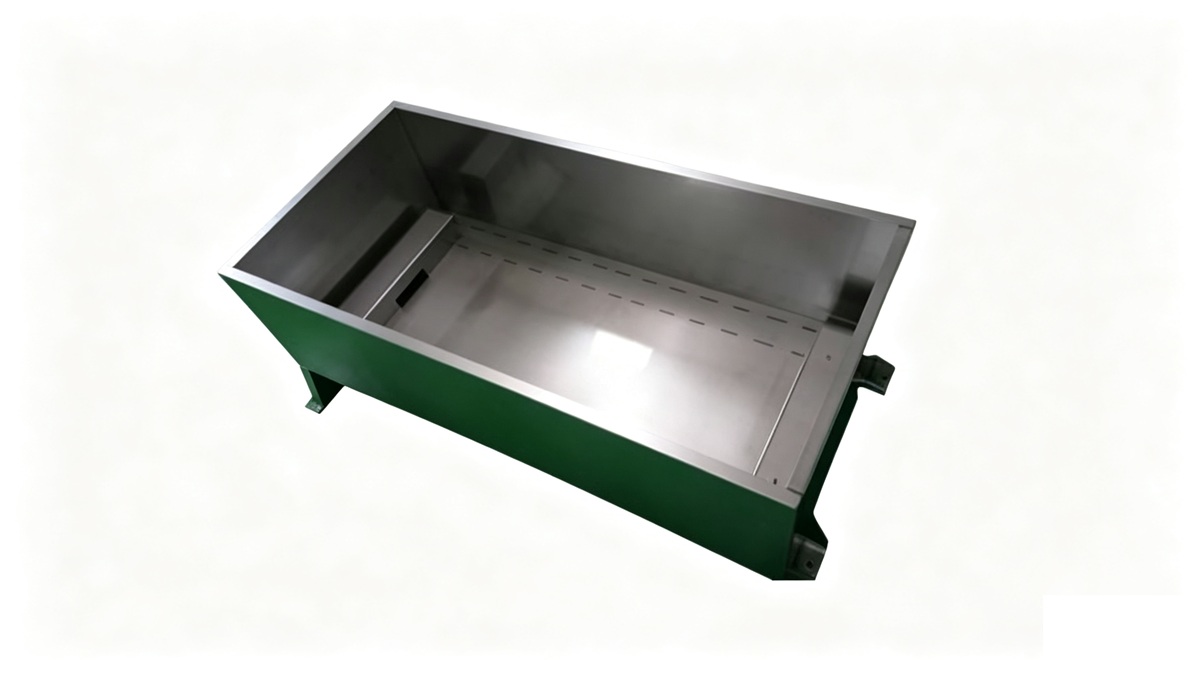
A powder-coated Sheet Metal Products Metal Enclosure delivers superior reliability in continuous high-humidity environments. The powder coating forms a thick, uniform, chemically bonded barrier against moisture, rust, and corrosion. Electrostatic application and heat curing create a seamless, impermeable layer on these enclosures. Unlike solvent-based paint, this process leaves no microscopic pores. You will explore the science behind powder coating, its durability and cost benefits, and how it compares with wet paint and galvanizing for your metal enclosure needs.
Key Takeaways
- Powder coating forms a seamless, chemically bonded barrier that blocks moisture and rust, unlike wet paint which has pores.
- Powder-coated enclosures resist chips, scratches, and chemicals, lasting 15–20 years and reducing maintenance costs.
- Powder coating outperforms wet paint and galvanizing in humid conditions, offering superior protection and design flexibility.
How Powder Coating Builds A Superior Moisture And Corrosion Resistance Barrier
Electrostatic Application And Heat Curing
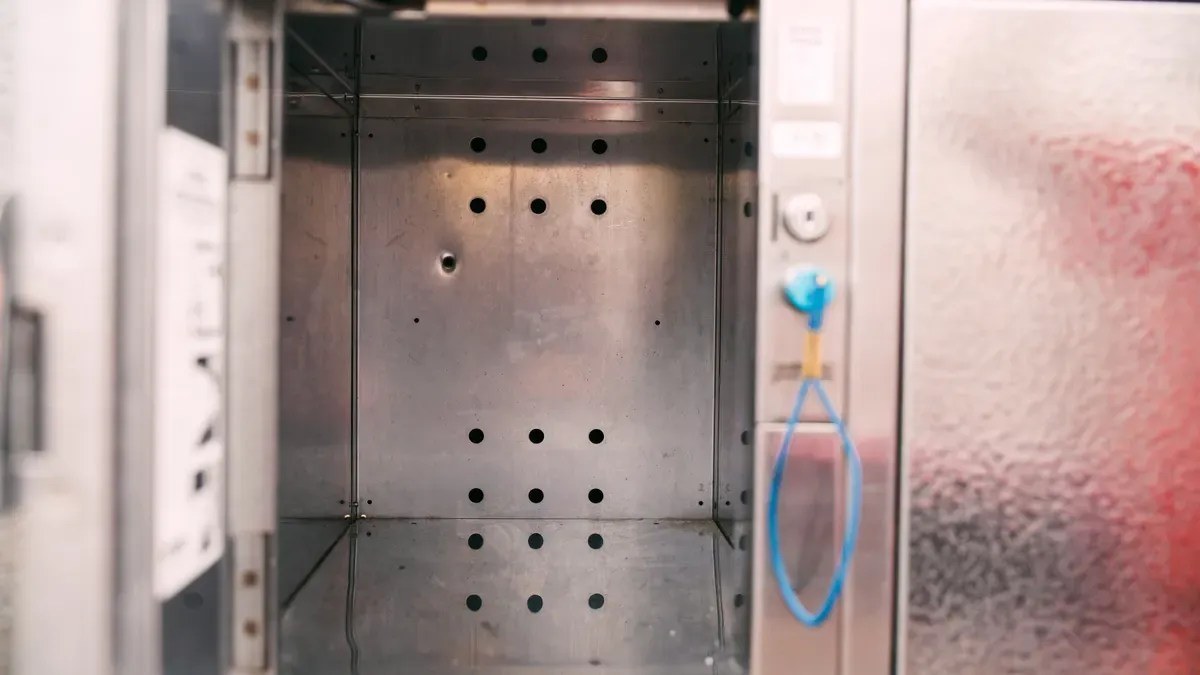
You apply dry powder to a sheet metal products metal enclosure through electrostatic attraction. The spray gun gives each particle a negative charge. The grounded metal surface pulls these charged particles evenly across the entire part. This method produces a uniform color and an even spray across every surface of your enclosures. After application, the metal parts enter a curing oven. The powder melts into the metal surface and forms a consistent, high-quality film. This cured layer delivers durable protection against chips, scratches, rust, and humidity. The powder coating process ensures uniform adhesion and a consistent coating that resists moisture and corrosion once cured.
You control several parameters to achieve this uniformity. The table below shows recommended values for the powder coating process.
| Parameter | Recommended Value | Notes |
|---|---|---|
| Spray gun voltage | Start at 70 kV, adjust ±10 kV | Particles acquire negative charge at 60–90 kV |
| Spray gun current | 10–15 μA | Above 20 μA risks edge overspray |
| Gun distance | 200 mm (adjust ±50 mm) | Based on part geometry |
| Humidity | <65% RH | High humidity reduces charge retention and adhesion |
Voltages above 90 kV may cause powder breakdown and impair coating quality. You must also select particle size carefully. Smaller particles improve coverage but worsen fluidity and increase blow-off and clogging risks.
Seamless Seal Without Solvent Pores
Conventional wet paint relies on solvents that evaporate during drying. That evaporation leaves microscopic pores across the surface. Moisture penetrates these pores and reaches the bare metal underneath. The powder coating process avoids this problem entirely. No solvent exists to evaporate. The heat curing stage melts the powder into a continuous, seamless film. This tight, uniform seal prevents moisture from penetrating the surface of your metal enclosure. It also slows down oxidation significantly.
The powder coating process creates a chemically bonded barrier. This barrier delivers superior moisture and corrosion resistance in harsh environments. Your powder-coated enclosure therefore maintains its surface protection far longer than a wet-painted alternative. Huapusheng applies powder coating finishes as part of its custom metal enclosure fabrication for power and automation cabinets. Every unit undergoes strict quality checks to confirm coating performance. This attention to detail ensures your enclosures withstand continuous exposure to humid air without failure.
Durability And Cost Efficiency Of A Powder-Coated Enclosure
Chip, Scratch, And Chemical Resistance
A powder coating finish delivers exceptional durability for your sheet metal products metal enclosure. The cured layer resists chipping during installation or daily operation. Scratches that would expose bare metal on a painted surface rarely penetrate the thicker powder coating film. This resistance preserves the barrier against moisture and corrosion.
Chemical resistance sets powder coating apart from other finishes.
Galvanized steel performs better in abrasive environments due to the metallurgical bond of zinc to steel, while powder coating offers superior resistance to UV degradation and chemical exposure.
Your enclosures therefore maintain their appearance and protection even with exposure to industrial acids or harsh cleaning agents. Huapusheng applies this finish to products like the Custom Sheet Metal Rackmount Louvered Ventilation Panel, ensuring each unit resists environmental attack. The powder coating process guarantees uniformity across every surface. No thin spots or missed areas compromise the quality of your enclosures.
Low Maintenance And Long-Term Savings
The cost-efficiency of powder coating becomes clear when you examine the full service life of your enclosures. The table below compares powder coating with liquid paint over a 20-year period.
| Metric | Powder Coating | Liquid (Solvent) Paint |
|---|---|---|
| Typical service life | 15–20+ years | 5–10 years |
| Complete refinishing interval | Often maintains integrity 15+ years; refinishing only if needed at year 15+ | Required every 5–7 years |
| Repainting frequency over 20 years | 0–1 times | 3–4 times |
| 20-year total maintenance cost per cabinet | $3,000–$12,000 | $25,000–$60,000 |
| Annual maintenance | $200–$500 (cleaning/minor inspection) | $500–$1,500 (cleaning/touch-up) |
Powder coating lasts two to three times longer than liquid paint. Over two decades, your powder-coated enclosures require zero to one refinishing cycle. The longevity of this finish translates directly into lower ownership costs. The durability of the coating protects your investment. Annual maintenance also costs less. This durability eliminates the need for frequent repairs.
This long-term performance makes powder coating the smart choice for high-humidity areas. The uv and weathering protection ensures your enclosures do not fade or chalk. These enclosures maintain their integrity through decades of use. Huapusheng's product line of enclosures includes precision sheet metal fabrication, heavy-duty welded machine base frames, and chassis housings, all available with powder coating. The quality of this process ensures consistent results. This cost-efficiency makes it the preferred choice for demanding environments. You invest once and enjoy reliable protection for years.
Powder Coating Versus Wet Paint And Galvanizing In Humid Conditions
Limits Of Wet Paint In Continuous Humidity
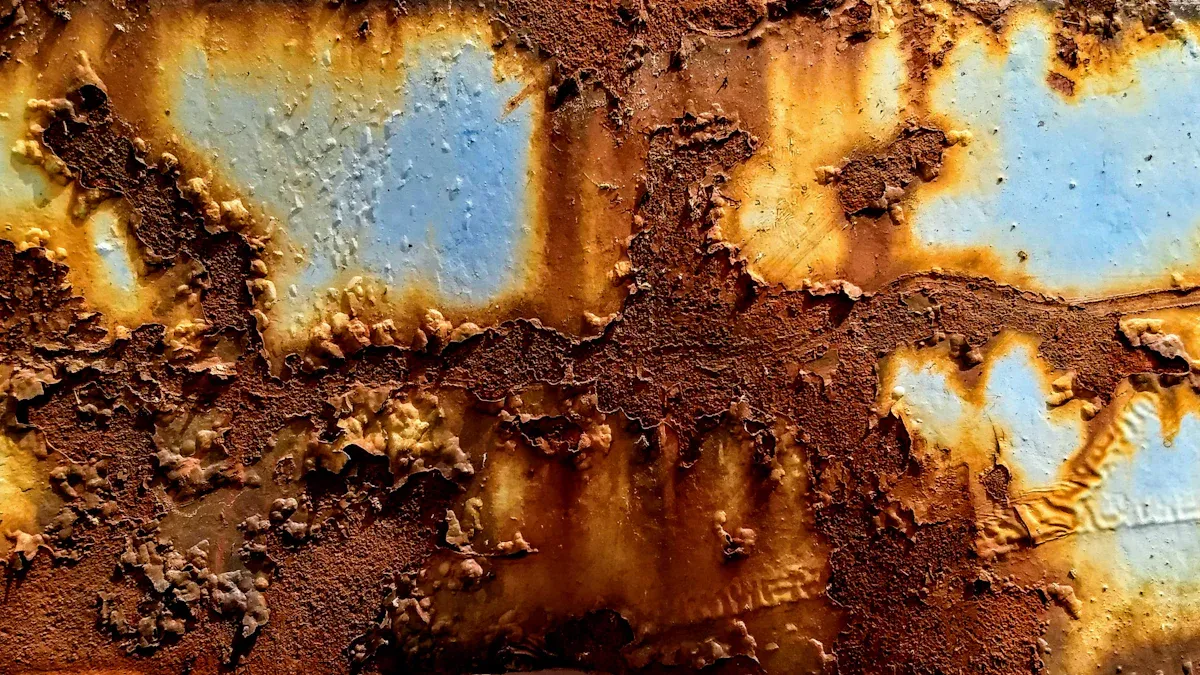
Wet paint relies on solvents for application. These solvents evaporate during the drying stage. This evaporation leaves behind microscopic pores across the painted surface. Moisture easily penetrates these pores. The metal beneath then faces direct exposure to humid air. Rust formation begins rapidly. Your painted enclosures suffer from rapid degradation. You must repaint these units frequently in high-humidity environments. The coating degrades within a few years. This process increases your operational costs significantly. The sheet metal products metal enclosure loses its protective barrier. You then face premature replacement or expensive refinishing cycles. The powder coating process eliminates these problems entirely. The solvent-free application method produces a continuous film without pores. This film provides superior moisture resistance. The coating prevents moisture penetration for decades.
Where Galvanizing Falls Short
Galvanizing offers sacrificial protection through a zinc layer. This layer corrodes first to protect the underlying steel. However, this protection has notable limitations. The galvanized surface often shows uneven coverage. Thinner areas corrode faster and create failure points. You cannot customize the color of galvanized finishes easily. This restriction limits your design options for aesthetics or color-coding. Your enclosures require careful inspection to identify weak spots.
Harsh environmental conditions accelerate corrosion on galvanized surfaces. Acidic or alkaline environments attack the zinc layer aggressively. Your sheet metal enclosures then require additional protective layers. Powder coating creates a durable barrier between the metal and the environment. This barrier shields your enclosures from direct exposure to moisture and harsh chemicals. You gain superior resistance to moisture and chemicals alongside complete design versatility. Huapusheng offers OEM and custom fabrication for diverse applications, including the Precision Metal Equipment Base Housing for Energy Storage Systems. This product benefits from the same powder coating finish that protects your enclosures in harsh environments. This process ensures consistent quality and long-term reliability. Your enclosures benefit from long-term protection.
A powder-coated sheet metal products metal enclosure delivers a chemically bonded seamless moisture barrier. The durability of powder coating resists chips and scratches preserving structural integrity. This impressive longevity reduces maintenance costs offering cost-efficiency. The coating ensures quality in harsh environments. Your enclosures benefit from this protection. Specify these enclosures for humid industrial or coastal applications. Contact Huapusheng for custom requirements.
FAQ
- How does the finish on a Sheet Metal Products Metal Enclosure protect your equipment?
- The seamless barrier prevents moisture penetration. Your enclosures resist rust and corrosion for decades. These enclosures require minimal upkeep.
- What makes a Custom Sheet Metal Rackmount Louvered Ventilation Panel ideal for humid areas?
- Powder coating creates a durable finish for your enclosures. The product resists chipping and chemicals effectively.
- Is a Precision Metal Equipment Base Housing for Energy Storage Systems suitable for outdoor use?
- Yes. These enclosures withstand humidity and UV exposure. Your enclosures perform reliably in harsh conditions. These enclosures need no refinishing.



 IPv6 Network Supported