
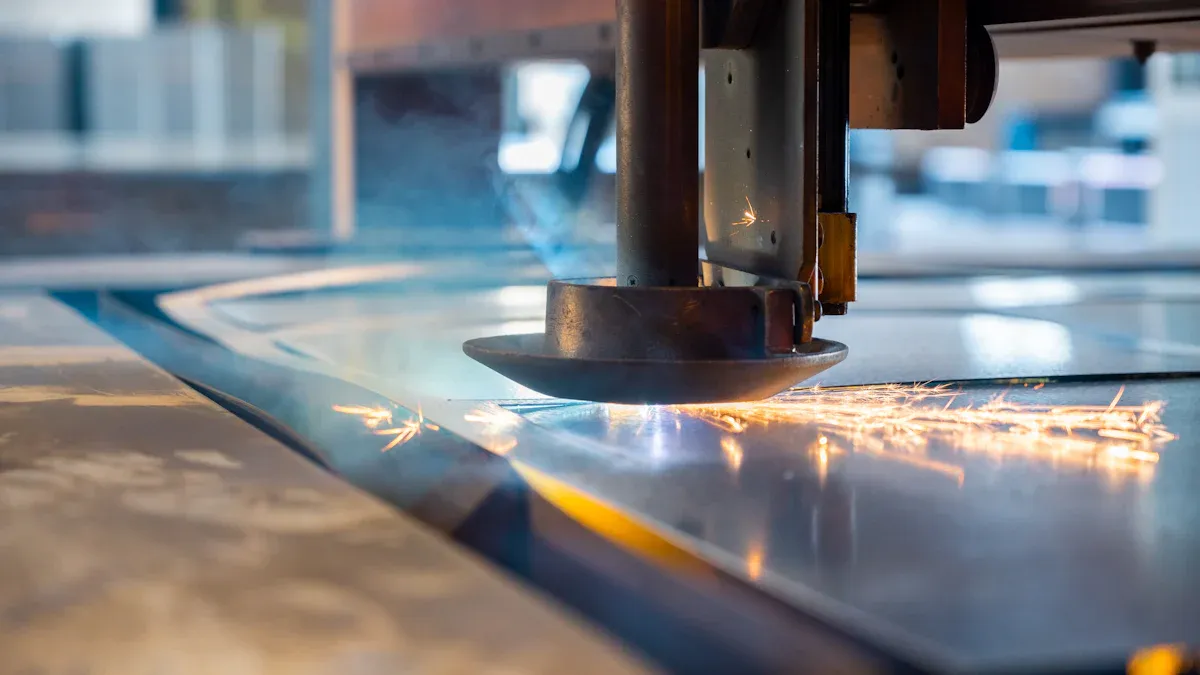
Laser cutting employs a focused light beam to melt, burn, or vaporize sheet metal with exceptional precision. You achieve dimensional accuracy of ±0.1 mm, a standard that distinguishes this method from mechanical alternatives. Modern fabrication relies on this technology for its speed—exceeding 3 m/min on thin materials—and its versatility across steel, stainless steel, and aluminum. This precision ensures consistent quality for demanding applications, from custom stainless components to Laser Welded Stainless Steel Air Chamber Box Assemblies. Understanding sheet metal fabrication laser cutting begins with mastering its fundamental principles, and our service extends beyond cutting to include deburring, bending, welding, and surface finishing—delivering a complete manufacturing solution for custom stainless projects. Whether you need a single prototype or large-scale production, our CNC equipment ensures repeatable accuracy and fast turnaround times. For industries such as electronics, automotive, and aerospace, we provide rigorous inspection processes to guarantee every part meets your exact specifications. Contact us today for a free quote and let our experienced team optimize your design for manufacturability, reducing costs and lead times while ensuring the highest quality for your custom stainless components.
Laser cutting delivers exceptional precision and speed, achieving tolerances of ±0.1 mm and cutting speeds over 3 m/min on thin materials.
Choose the right laser type and material for your project; fiber lasers excel with thin and reflective metals, while CO2 and crystal lasers suit thicker materials.
Partner with a full-service provider that offers cutting, welding, and finishing to ensure quality and reduce lead times for custom stainless parts.
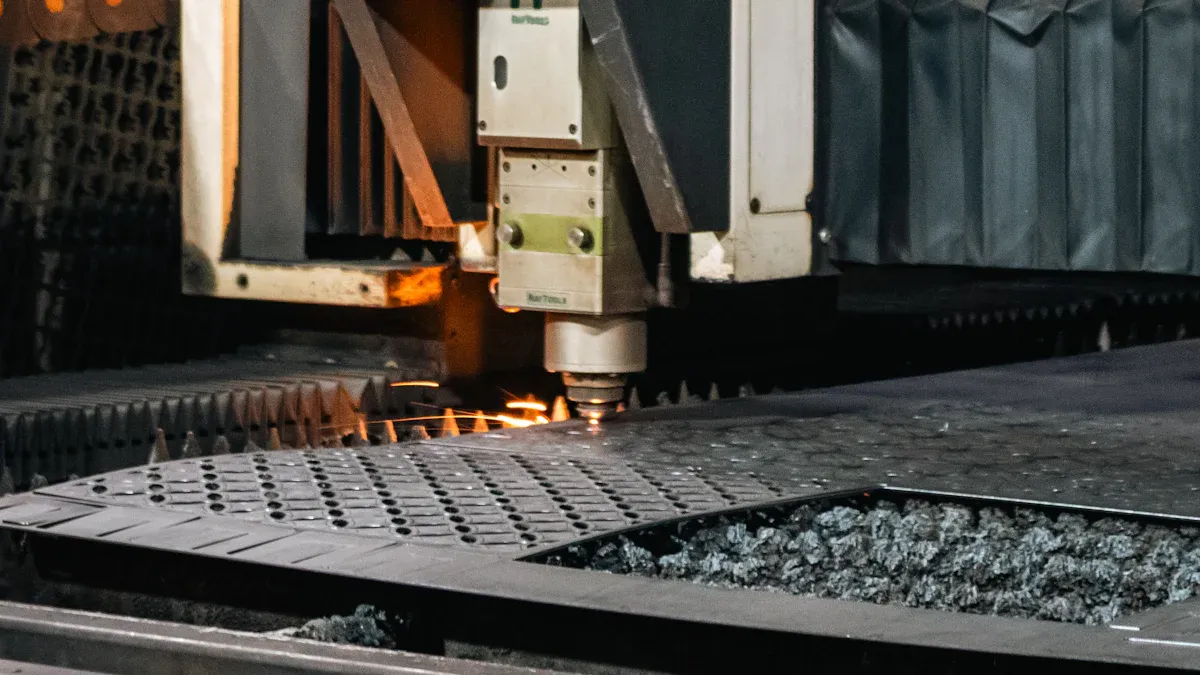
The laser cutting process begins inside the machine's resonator. Fiber sources generate light through doped optical fibers. CO2 sources use a gas mixture to produce the beam. The beam starts with a diameter of 1.5–2.0 mm. It travels through an optical path of mirrors and lenses. The mirrors direct the beam toward the cutting head. A high-quality lens focuses the beam to a precise spot on the material surface. This spot measures as small as 0.025 mm in diameter. The focal length typically ranges between 38 mm and 76 mm for sheet metal. This focusing step creates the extreme energy density necessary for phase change. The narrowest part of the focused beam measures less than 0.32 mm in diameter. Kerf widths as small as 0.10 mm are possible. Your CNC system guides the cutting head according to your digital design. This ensures repeatable accuracy across every part. Understanding sheet metal laser cutting requires knowing the differences between machine types.
|
Feature |
Fiber Source |
CO2 Source |
|---|---|---|
|
Best for |
Thin-to-medium gauge metal, reflective metals |
Thicker plate, non-metallic materials |
|
Cutting speed |
Faster (especially on thin material) |
Slower on thin material |
|
Energy efficiency |
Higher |
Lower, more power required |
|
Reflective metal handling |
Excellent (aluminium, copper, brass) |
Difficult, reflection risk |
|
Maintenance |
Lower |
Higher (mirrors, tubes) |
Fiber sources offer faster cutting speeds on thin material and higher energy efficiency. CO2 sources suit thicker plates. This knowledge helps you select the right equipment for your sheet metal fabrication laser cutting needs.
Once the focused beam strikes the metal, three physical mechanisms occur. The metal absorbs the beam's photonic energy. This absorption converts to heat, raising the temperature past the melting or vaporization point. The molten or vaporized metal then exits the cut zone.
Metals, such as steel and aluminum, predominantly absorb the energy from fiber lasers. This absorption is due to the interaction between the beam's photons and the metal's electrons, leading to rapid heating that causes melting or vaporization.
Three distinct methods remove material during metal laser cutting. First, vaporization cutting uses high energy density to heat the workpiece to its boiling point. The material vaporizes directly, and the steam ejection forms the cut. This method requires high power and suits extremely thin metals. Second, melt cutting uses a non-oxidizing gas such as nitrogen. The beam melts the metal, and the gas blows the liquid out. This requires only one-tenth the energy of vaporization cutting. You use this for stainless steel, titanium, and aluminum. Third, oxygen cutting uses oxygen as the assist gas. The oxygen reacts with the heated metal, generating additional oxidation heat. This requires only half the energy of melt cutting and runs faster. You use this for carbon steel and heat-treated steel. Each metal laser cutting method affects edge quality differently.
The laser cutting process produces a heat-affected zone along the cut edge. The narrow kerf minimizes distortion. Your choice of gas determines edge quality. Nitrogen produces an oxide-free edge. Oxygen creates an oxidized edge but enables faster speeds. Proper parameter selection ensures consistent quality for your parts. This laser cutting process serves as the foundation for producing custom stainless components and assemblies. Sheet metal laser cutting delivers the precision required for custom stainless assemblies.
Selecting the right laser source determines your cutting speed, edge quality, and operating budget. Three primary types dominate the industry: fiber, CO2, and crystal lasers. Each offers distinct advantages for different applications. Understanding these differences helps you choose the optimal equipment for your sheet metal fabrication laser cutting needs.
Fiber lasers generate their beam through a doped optical fiber, producing a wavelength of 1.06 microns. This shorter wavelength delivers a narrower beam width, giving you approximately four times the effective power for the same output compared to CO2 systems. You achieve higher precision and faster cutting speeds, especially on thin materials. The solid-state design also means a smaller footprint, high electrical efficiency, and low maintenance requirements. These factors translate directly into lower operating costs per length of cut.
For metal laser cutting, fiber systems excel with reflective materials like aluminum and copper. The table below shows typical maximum thicknesses you can process with a fiber laser.
|
Metal Type |
Maximum Thickness (Fiber Laser) |
|---|---|
|
Carbon Steel |
Up to ~1 inch |
|
Stainless Steel |
Around 1.1 inches |
|
Aluminum |
Around 1.0–1.2 inches |
|
Galvanized/Galvannealed Steel |
Usually thinner due to coating (up to 3/16") |
|
Brass |
Around 0.5–0.6 inches |
|
Copper |
Around 0.4–0.5 inches |
Your sheet metal laser cutting operation benefits from fiber's speed and precision. The laser cutting process produces clean edges with minimal heat-affected zones. This quality proves essential for producing custom stainless components and assemblies.
CO2 lasers use a gas mixture of carbon dioxide, nitrogen, and helium, producing a 10.6-micron wavelength. They cut most metals effectively but operate less efficiently than fiber systems. CO2 lasers suit thinner metals and excel with non-metallic materials. Their initial equipment cost is lower, but you face higher operating costs and more frequent maintenance.
Crystal lasers, using Nd:YAG or Nd:YVO4 crystals, deliver high output power and excellent beam quality. They handle thick metals, making them popular for aerospace and automotive applications. However, they carry a higher price tag and require expensive repairs.
|
Feature |
CO2 Laser |
Crystal (Solid-State) Laser |
|---|---|---|
|
Typical Application |
Thicker plate, non-metallic materials |
High-power cutting, specialized applications |
|
Maintenance |
Higher (mirrors, tubes) |
Very high (expensive to repair) |
|
Key Trade-off |
Lower initial investment, higher operating cost |
Higher cost, superior beam quality |
Your choice of laser cutting machines depends on your typical workpiece thickness and production volume. For high-precision work on thinner parts, fiber lasers deliver the best balance of speed and cost. For heavy plate cutting, crystal lasers provide the power you need. CO2 systems remain a versatile option for mixed material processing. Evaluate your specific requirements to select the right technology for your metal laser cutting operations.
Selecting the right material determines your success with sheet metal fabrication laser cutting. Steel, stainless steel, and aluminum dominate industrial applications, each offering distinct behaviors under the beam. You must understand these differences to achieve optimal results.
Carbon steel responds predictably to laser energy, making it the most forgiving material for cutting. You can process it with oxygen assist gas for faster speeds and clean edges. Stainless steel requires nitrogen assist to prevent oxidation and maintain corrosion resistance. Aluminum alloys present unique challenges due to their reflective nature.
High reflectivity of metals like aluminum and copper can challenge older CO₂ lasers. Modern fiber lasers mitigate this issue effectively. However, thermal conductivity remains a challenge regardless of laser type. High thermal conductivity requires greater energy input to compensate for heat dissipation. Excess heat can cause warping and discoloration. Aluminum, with its high conductivity and low melting point, demands careful heat management to balance cut speed and edge quality.
Your laser power determines the maximum thickness you can cut effectively. The table below shows typical maximum thicknesses for a fiber laser.
|
Metal Type |
Maximum Thickness (Fiber Laser) |
|---|---|
|
Carbon Steel |
Up to ~1 inch |
|
Stainless Steel |
Around 1.1 inches |
|
Aluminum |
Around 1.0–1.2 inches |
|
Galvanized/Galvannealed Steel |
Usually thinner due to coating (up to 3/16") |
|
Brass |
Around 0.5–0.6 inches |
|
Copper |
Around 0.4–0.5 inches |
For most sheet metal laser cutting applications, you work within the 0.15 mm to 25 mm range. Dimensional accuracy holds at ±0.1 mm for thinner materials. As thickness increases, tolerances widen naturally. Typical tolerance is ±0.1 mm for most sheet metal thicknesses. Understanding these limits helps you choose the best metal for laser cutting. Your project requirements—whether custom stainless components or a laser welded stainless steel air chamber box—dictate the appropriate material and thickness. Metal types suitable for laser cutting span these common grades, and your selection directly impacts cutting quality and production efficiency.
Laser cutting delivers exceptional precision that mechanical methods cannot match. You achieve tolerances of ±0.1 mm on intricate geometries, a level critical for aerospace and medical device components. The finely focused beam produces a minimal kerf width, enabling detailed patterns and better material nesting than plasma cutting. This precision directly benefits your sheet metal fabrication laser cutting projects, whether you produce a Custom Stainless Gear Component or a laser welded stainless steel air chamber box.
The heat-affected zone remains significantly reduced compared to other thermal methods. The focused beam and rapid cutting speeds preserve material properties near the cut edge, minimizing warping and metallurgical changes. Plasma cutting produces a wider kerf and rougher edges requiring extensive post-processing. Waterjet offers no HAZ but operates slower on thin materials and introduces moisture. Laser cutting provides speed and precision without these drawbacks.
|
Advantage |
Documented Benefit |
Practical Impact |
|---|---|---|
|
Precision |
Accuracy of ±0.1 mm |
Enables intricate geometries for demanding industries |
|
Kerf Width |
Minimal kerf from focused beam |
Better material nesting, finer details |
|
Heat-Affected Zone |
Significantly reduced HAZ |
Preserves material properties, minimizes distortion |
|
Edge Quality |
Clean, burr-free edges |
Reduces post-processing requirements |
These advantages translate directly into production efficiency. You produce parts faster with less secondary work, lowering your overall manufacturing cost. The sheet metal laser cutting process maintains consistent quality across every piece, ensuring your custom stainless components meet exact specifications.
Despite its strengths, metal laser cutting presents real limitations you must manage. Reflective metals such as aluminum and copper reflect a substantial portion of the beam back into the delivery fiber. Modern systems shut down to protect the power source, but every shutdown means a lost part. Copper is highly reflective, requiring advanced reflection monitoring systems.
Thickness constraints also affect your production planning. At maximum thickness, molten metal pools, the beam scatters, and the cut collapses. Your practical production ceiling sits much lower than advertised.
Capital costs demand careful evaluation. Fiber lasers offer superior electrical efficiency compared to CO2 lasers, requiring less power supply capacity for equivalent output. However, fiber machines have higher acquisition costs. These factors shape your equipment selection. For most production environments, fiber lasers deliver better day-to-day economics despite higher initial investment. The laser cutting process advantages—precision, speed, and low distortion—outweigh the constraints when you match material and thickness to your machine's capabilities.
Mastering how to laser cut metals begins with setting three critical parameters: laser power, focus position, and gas pressure. Laser power determines the maximum thickness you can penetrate; thicker plates demand higher wattage for stable cutting. Focus position controls energy distribution within the kerf. Zero focus, positioned on the surface, produces the smallest spot and suits thin sheets. Negative focus, placed below the surface, increases internal melting for deeper penetration—ideal for stainless steel with nitrogen assist. Positive focus, set above the surface, widens the kerf and enhances oxygen reaction, making it the preferred choice for carbon steel cutting.
Assist gas serves dual purposes: it clears molten material and drives chemical reactions. Oxygen fuels an exothermic reaction for carbon steel, while high-pressure nitrogen prevents oxidation for clean edges on stainless steel and aluminum.
Surface preparation directly impacts edge quality. Follow these steps before loading material into your laser cutting machines:
Pre-Cleaning: Wipe metal sheets with a lint-free cloth and isopropyl alcohol to remove dust, oil, and fingerprints that could burn under the beam.
Protective Coatings: Apply a temporary, removable laser-safe spray to reduce oxidation and heat-induced tinting.
Masking Films: Use pre-applied adhesive films on stainless steel or brushed aluminum; peel them away after cutting to reveal an untouched finish.
Operating sheet metal laser cutting equipment demands rigorous safety protocols. You must wear appropriate laser-safe eyewear and ensure the cutting area has proper ventilation to extract fumes. Regular maintenance of optics and nozzles prevents beam distortion and maintains consistent cutting performance. CNC laser cutting machines convert your digital drawings directly into parts, but they require skilled operators who understand parameter adjustments.
After cutting, complementary services complete your manufacturing workflow. Automated deburring machines remove burrs and round edges, ensuring consistency before welding or painting. Fully programmable press brakes handle bending operations. In-house welding staff assembles stainless steel, carbon steel, and aluminum components. Powder coating produces a durable, high-quality finish. These integrated capabilities make metal laser cutting suitable for rapid prototyping, customized sheet metal parts, and industrial structural components—all from a single trusted partner.
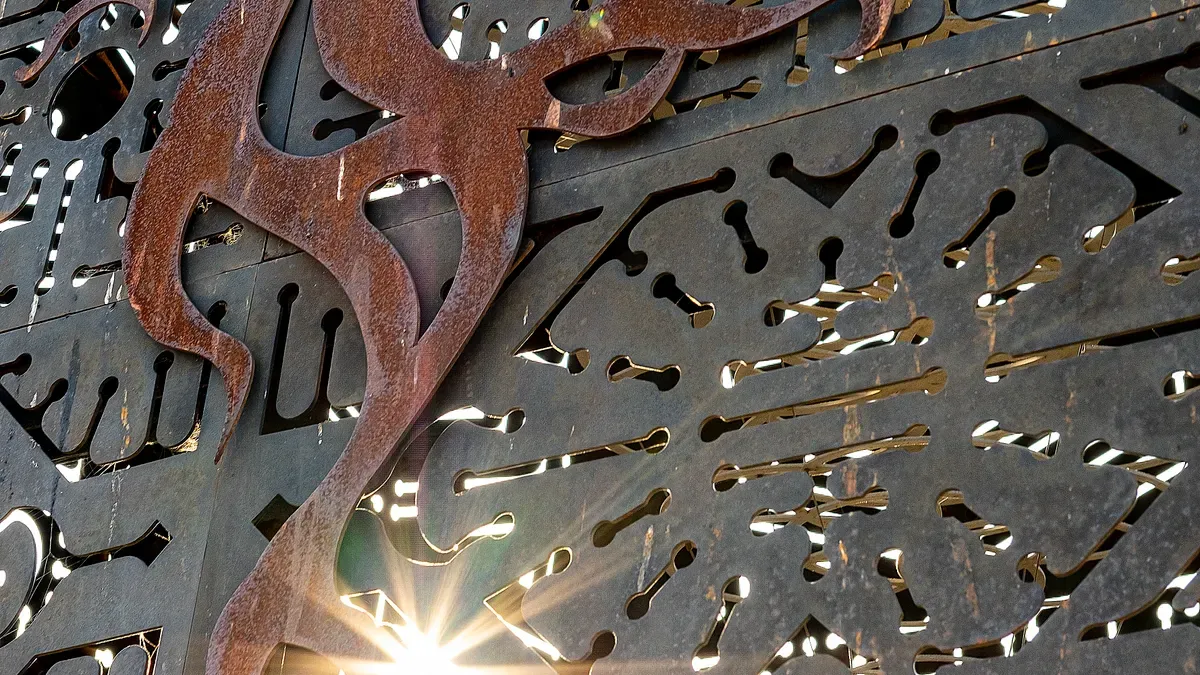
Your sheet metal Laser Cutting Service transforms digital drawings into functional components across demanding industries. The table below shows typical applications you can produce with this technology.
|
Industry |
Typical Applications |
|---|---|
|
Electronics |
Circuit boards, semiconductor materials, and connectors |
|
Automotive |
Chassis parts, body panels, engine components, and intricate fittings |
|
Aerospace |
Brackets, mounting plates, and structural elements |
|
Industrial Equipment |
Heavy equipment components and power generation parts |
To achieve tight tolerances on complex geometries, follow best practices for sheet metal design, such as accounting for material thickness and clearance in mating parts. This metal laser cutting approach ensures assembly reliability without compromising precision.
Laser welding complements your cutting operations by producing strong, leak-proof joints for custom stainless assemblies. The process uses a cover gas to protect the weld area, ensuring strong, leak-proof seals. This cutting and welding combination delivers high precision (±0.1 mm), minimal heat-affected zones, and non-contact processing. These features prevent micro-cracks and thermal distortion, ensuring airtight seals. The controlled inert environment prevents oxidation, producing clean, contamination-free welds. Your final product achieves bubble-free, smooth seams that confirm leak-proof performance. This integrated approach—from sheet metal laser cutting to final assembly—delivers exceptional quality for your most demanding applications.
Sheet metal laser cutting delivers unmatched precision and speed, yet success depends on material selection, thickness, and proper setup. Evaluate your project's complexity, volume, and tolerance requirements carefully. Partner with a professional service offering complete solutions—cutting, welding, and finishing. This approach ensures consistent quality for every component. Contact us today for a free quote and technical advice on your metal laser cutting needs.
You can process materials from 0.15 mm to 25 mm thick. Dimensional accuracy holds at ±0.1 mm for thinner materials, ensuring clean edges and consistent quality.
Beyond laser cutting, you receive deburring, bending, welding, and surface finishing. This complete solution reduces lead times and simplifies vendor management.
Rigorous inspection processes verify every part against your specifications. CNC equipment ensures repeatable accuracy across production runs.
 Get a Quote Now


 IPv6 Network Supported
Leave A Message
Scan to Wechat :

Scan to Whatsapp :

Hi! Click one of our members below to chat on

 English
 Français
 Deutsch
 Русский
 Italiano
 Español
 Nederland
 日语
日语 한국어
한국어 Svenska