
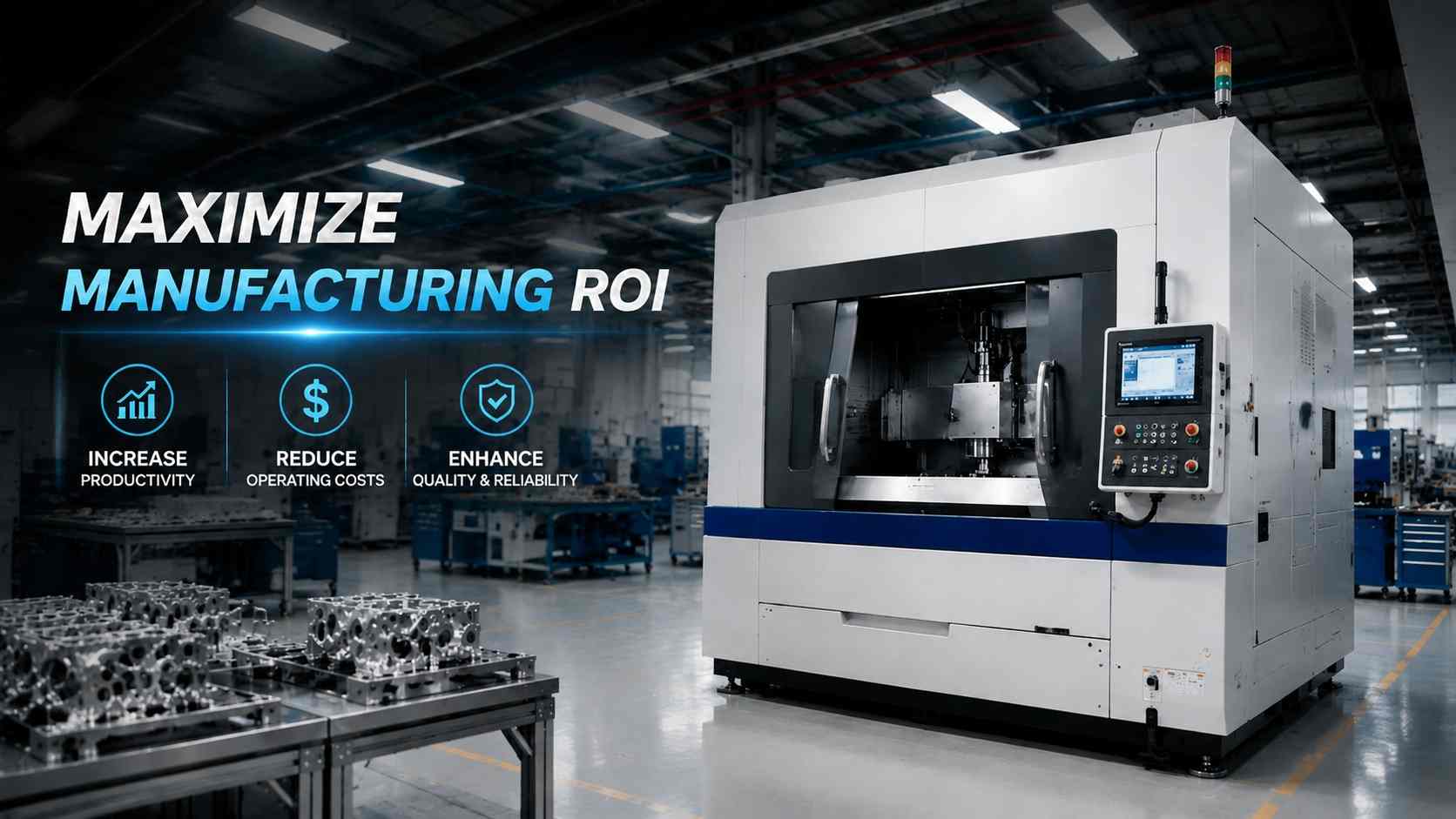
In modern sheet metal fabrication, high-speed fiber lasers and advanced CNC punching machines have drastically accelerated the cutting process. Modern job shops can profile hundreds of parts per hour. However, this increased throughput often creates a massive bottleneck at the very next stage: surface finishing. If your team is still relying on manual angle grinders to remove sharp edges and laser slag, you are likely losing valuable time, wasting labor, and compromising product quality. Enter the Automatic Sheet Metal Deburring Machine - manufacturing efficiency.
Transitioning from manual grinding to automated surface finishing is no longer just an optional upgrade; it is a strict necessity for fabricators who want to remain competitive, meet rigorous OEM standards, and protect their workforce. Let’s deeply explore how integrating an automated Edge Rounding Machine For Sheet Metal can transform your production line and significantly boost your ROI.
Manual deburring is inherently flawed due to human error and physical fatigue. An operator grinding metal parts at the beginning of their morning shift will naturally apply a different pressure than they do at the end of the day. This inconsistency leads to dimensional variations, accidental over-grinding, and ultimately, rejected parts that need to be scrapped or reworked.
An Industrial Metal Surface Finishing Equipment system replaces this human variability with programmable, CNC-level precision. By utilizing variable frequency drives (VFD) to control the conveyor feed speed and motorized columns to set automated abrasive brush pressure down to the millimeter, the machine ensures that the 1st part and the 1,000th part receive the exact same flawless finish.
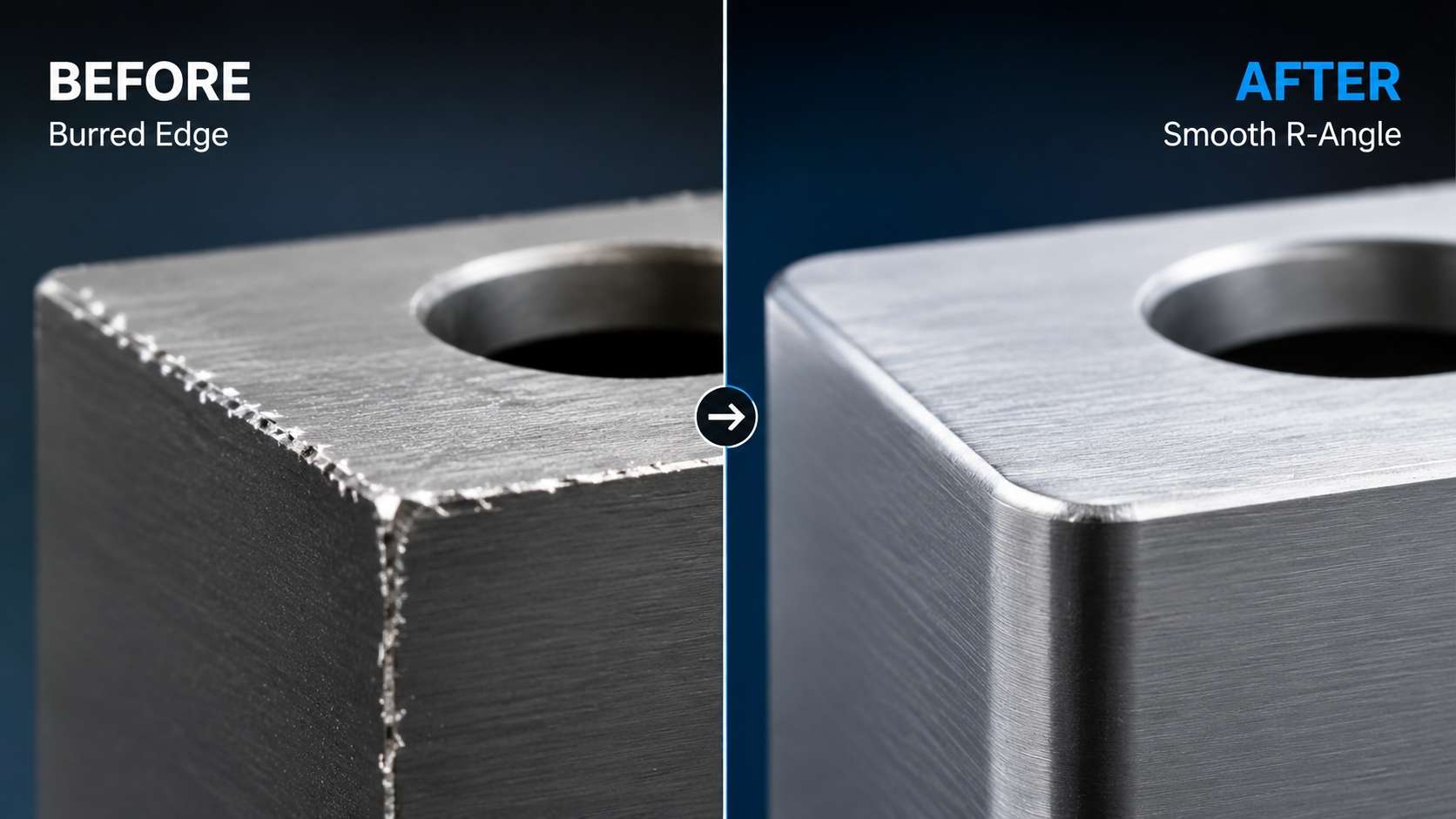
Removing a burr is only half the battle. In stringent industries like food processing, medical equipment, and outdoor telecommunications, sheet metal components require a specific "R-Angle" (a smoothly rounded edge). Sharp, 90-degree cut edges are notoriously difficult to coat.
During powder coating or electrophoretic painting (E-coat), liquid and powder naturally pull away from sharp corners due to surface tension—a common defect known as the "edge effect." This leaves the sharp edges thinly coated and highly exposed to early rust and corrosion. A dedicated deburring machine utilizes multi-directional rotating brushes to aggressively sweep across the contours, creating a perfect, consistent radius on all exterior and interior holes. This ensures optimal paint adhesion, allowing your parts to pass strict 500-hour salt-spray tests with ease.
One of the biggest concerns job shops have when upgrading to automated finishing is whether the machine can safely handle small, lightweight, or intricate laser-cut parts. Standard sanding belts can easily snatch small parts, causing them to fly inside the machine and damage the abrasive heads.
Advanced deburring systems solve this by integrating highly specialized hold-down technologies. High-friction, diamond-patterned conveyor belts are standard, but for true versatility, top-tier machines feature internal magnetic tracks (for small carbon steel parts) and integrated vacuum suction systems (for non-magnetic materials like aluminum and stainless steel). This ensures that even parts as small as a business card remain firmly planted on the belt while aggressive abrasive brushes round their edges.
When cutting thick carbon steel panels with an oxygen-assist laser, a hardened black oxide layer forms along the cut edge. If this brittle layer is not removed, any subsequent robotic welding will be fundamentally weak, and powder coating will eventually flake off in the field.
Using an automated Oxide Layer Removal Machine For Laser Cutting completely eliminates this quality risk. By passing the metal plates through specialized wide sanding belts and heavy-duty hammer-pin brush blocks, the hardened slag and oxide layers are forcefully stripped away. This turns a tedious, hours-long manual chiseling and grinding job into a seamless, seconds-long automated process, perfectly preparing the metal for fabrication.
The decision to upgrade to an Automatic Sheet Metal Deburring Machine is easily justified by the rapid return on investment. Furthermore, by removing operators from the hazardous environment of manual grinding (which involves airborne metallic dust, sparks, and noise), you drastically improve workplace safety and environmental compliance.
Whether you are processing delicate aluminum enclosures, heavy carbon steel plates, or premium stainless steel components, moving away from manual finishing is the next logical step in scaling your fabrication capabilities. High-quality automated deburring guarantees better coating adhesion, stronger welds, and a perfectly uniform aesthetic that will impress your OEM clients.
 Get a Quote Now


 IPv6 Network Supported
Leave A Message
Scan to Wechat :

Scan to Whatsapp :

Hi! Click one of our members below to chat on

 English
 Français
 Deutsch
 Русский
 Italiano
 Español
 Nederland
 日语
日语 한국어
한국어 Svenska