Powder coating is the best finish for industrial enclosures. This method is very strong and lasts a long time. It protects well against rust and looks smooth and even. Many industries like powder coating because it is good for the environment. It also saves money. Wet paint is still a good choice for fast changes or special colors. Some companies use wet paint for small groups or special designs. Picking the right finish depends on how much protection, looks, and flexibility you need.
Powder coating is very strong and protects well from rust. This makes it great for industrial enclosures. Wet paint is easy to put on and comes in many colors. It works well for custom designs or small jobs. Think about the environment. Powder coating is better for nature. It makes less waste and fewer bad fumes. Think about what you need. Pick powder coating if you want a finish that lasts long. Pick wet paint if you want something fast and flexible. Cost is important. Powder coating costs more at first. But it saves money later because it lasts longer and needs less care.
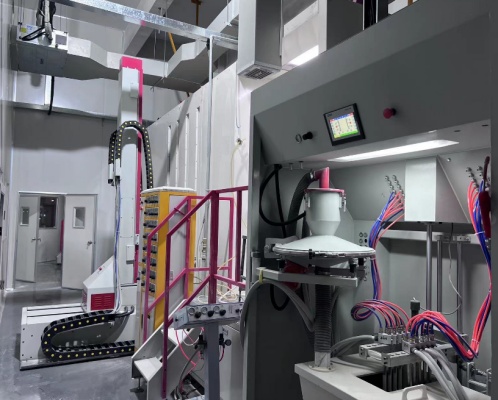
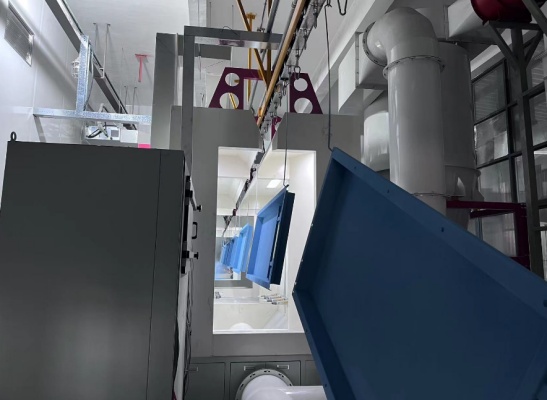
Powder coating is a dry way to finish metal. It uses a fine powder made from polyester, polyurethane, or epoxy. Many industries pick this method because it protects metal well. It also gives a smooth look. First, workers clean the metal. Then, they spray powder on it with a special gun. The powder sticks because of an electric charge. Next, the metal goes into a hot oven. The heat melts the powder and makes a hard coat. This coat is thick and does not chip or fade easily.
|
Feature |
Powder Coating |
Wet Paint |
|---|---|---|
|
Application Method |
Applied electrostatically as a dry powder |
Applied as a liquid using spray, brush, or roller |
|
Composition |
Made of polyester, polyurethane, epoxy, etc. |
Liquid mixture of pigments, solvents, and binders |
|
Finish |
Thick, hard finish that is tougher |
Thinner finish that is less durable |
|
Durability |
More durable, less prone to chipping and fading |
Less durable, more prone to damage |
|
Environmental Impact |
More environmentally friendly, fewer emissions |
Higher environmental cost due to solvents |
Wet paint is a liquid coating used for metal. It has pigments, solvents, and binders. Workers use a spray, pump, or roller to put paint on the metal. They clean the metal first. Then, they add the paint to make a thin coat. Wet paint lets you pick many colors and designs. Some companies use wet paint for small jobs or custom work. The finish is smooth but not as strong as powder coating.
Powder coating has a few steps. First, workers clean the metal to get rid of dirt and oil. Then, they spray powder on the part with a special gun. After that, the part goes into a hot oven for 10 to 30 minutes.
Wet paint starts with cleaning the metal too. Workers use a spray or roller to put on the paint. The paint dries as the liquid goes away. This can take up to 24 hours. Wet paint does not need heat to dry. This makes it good for quick changes.
Tip: Powder coating makes a strong finish fast. Wet paint takes longer to dry and needs more care when used.
|
Process |
Powder Coating |
Wet Paint |
|---|---|---|
|
Curing Method |
Requires heat to melt and fuse the powder |
Relies on the evaporation of solvents to dry |
|
Outcome |
Forms a smooth and continuous film through melting |
Takes longer to dry, can take up to 24 hours to cure |
Both ways give a finish to metal. Powder coating has more good points for industrial enclosures. Wet paint is still a good pick for special colors or fast jobs.
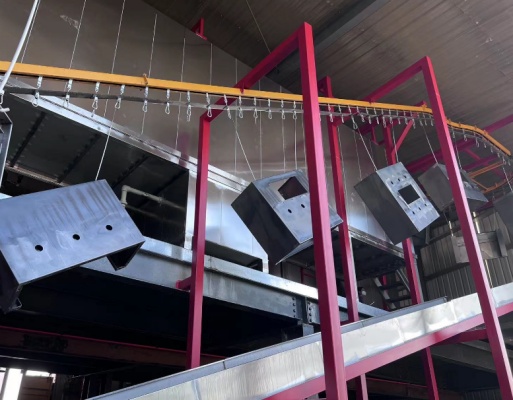
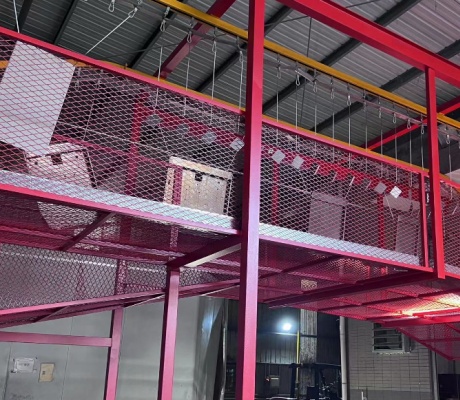
Powder coating and wet spray painting are not the same. Powder coating makes a thick, strong layer on metal. This layer keeps metal safe from scratches and chips. It also stops fading. Powder coating works well in tough places and lasts a long time. Wet paint is thinner and can crack as it gets older. Powder coating is stronger and needs fewer repairs. Both finishes need the metal cleaned first for best results. Powder coating bends better, so it does not crack easily. Tests show powder coating lasts longer than wet paint. It also protects better from rust, even on sharp parts. This is why powder coating is often picked for metal enclosures.
|
Property |
Powder Coating |
Wet Paint |
|---|---|---|
|
Durability |
More durable, less prone to cracking |
Less durable, can become brittle |
|
Flexibility |
More flexible due to crosslinking |
Less flexible, prone to cracking |
|
Application Thickness |
Thicker and more even coat |
Requires multiple applications |
|
Resistance to Wear |
Superior resistance to wear and tear |
Requires more refinishes and touch-ups |
Note: Powder coating lasts longer and protects better. Wet paint may need more fixing.
Powder coating and wet spray painting look different. Powder coating comes in many finishes like matte, shiny, or bumpy. It gives a smooth look everywhere on the metal. Wet paint lets you mix colors for special designs. But wet paint can look uneven sometimes. Powder coating keeps its color and shine for a long time. Some types of powder coating might fade after a while. Wet paint keeps color well at first but does not last as long in hard places. Both can look nice, but powder coating is stronger and looks more even.
|
Property |
Powder Coating |
Wet Paint |
|---|---|---|
|
Gloss Levels |
Wide range from matte to high-gloss |
Limited options |
|
Texture Options |
Smooth, wrinkle, hammered |
Generally smooth |
|
Color Retention |
Varies by type, some fade over time |
Generally better |
Tip: Powder coating gives more texture choices. Wet paint gives more color options.
Cost is important when picking a finish. Powder coating uses powder that wastes less and saves money over time. Extra powder can be used again. Wet paint wastes more, up to half of it. Powder coating machines cost more at first, but you save later because you use less labor and do fewer repairs. Wet paint costs less to start but needs more coats and more work. Powder coating also keeps metal safe during shipping, so you fix less damage. It is better for the environment and costs less to follow rules. In big factories, powder coating is usually cheaper in the long run.
|
Cost Factor |
Liquid Painting |
Powder Coating |
|---|---|---|
|
Material Costs |
Higher waste due to overspray (up to 50%). |
Lower waste; overspray is reclaimable. |
|
Equipment Costs |
Lower initial investment for spray guns. |
Higher initial investment for powder systems. |
|
Labor Costs |
More labor-intensive; requires multiple coats. |
Less labor due to faster application. |
|
Energy Costs |
Lower energy use; no high-heat curing. |
Higher energy use for curing ovens (180–200°C). |
|
Environmental Compliance |
Higher costs due to VOCs and hazardous waste. |
Lower costs; no VOCs, minimal hazardous waste. |
|
Maintenance Costs |
Regular cleaning of spray guns. |
Less frequent maintenance; easier to clean booths. |
|
Durability |
Less durable; requires frequent touch-ups. |
Highly durable; reduces long-term rework costs. |
Powder coating uses almost all the powder, up to 95%. Wet paint only uses about a third.
Powder coating dries fast and does not break during shipping.
Powder coating does not make harmful fumes, so it is cheaper to follow rules.
Powder coating is safer for the environment than wet paint. It has almost no VOCs, so it does not make bad air. Powder coating does not use solvents, so it does not hurt water. Extra powder can be recycled, so there is less waste. Wet paint makes VOCs and waste that must be thrown away safely. Powder coating meets EPA rules and helps with green building awards. It also makes work safer because there are no bad fumes. These reasons make powder coating better for the planet.
|
Aspect |
Powder Coating |
Wet Paint |
|---|---|---|
|
Hazardous Waste |
Produces less hazardous waste |
Requires solvents, considered hazardous |
|
VOC Emissions |
Produces little or no VOCs |
Emits harmful VOCs during drying |
|
Environmental Impact |
Non-toxic and inert |
Contains solvents that can pollute air |
|
Compliance with Regulations |
Meets or exceeds EPA standards |
Requires more oversight |
Callout: Powder coating is better for the earth and safer for people.
Powder coating and wet spray painting need different care. Powder coating lasts longer and needs less fixing. Metal enclosures with powder coating save time and money because they do not need many repairs. Wet paint needs more cleaning and repainting to stop rust and fading. Both finishes should be checked often, but powder coating is easier to keep up. Over ten years, powder coating saves more money and works better. This makes powder coating the best for long-lasting use.
Powder coating needs fewer repairs, so you spend less.
Powder-coated metal is easy to clean and care for.
Wet-painted metal needs more cleaning and repainting.
Tip: Powder coating means less work and better protection from rust.
Powder coating is best for powder coated electrical enclosures that require strong protection against corrosion, impact, and long-term environmental exposure.. It lasts a long time and keeps metal safe from rust and chips. Many companies use powder coating because it does not fade easily. Car makers use it on wheels and engine parts to protect them. Builders pick powder coating for window frames and railings outside. Heavy machines, like storage racks and farm tools, also use this finish. It is popular in telecommunications, material handling, and electronics because it saves money and lasts. The thick layer keeps out chemicals, water, and damage.
Tip: Powder coating stays strong and needs less fixing, so it is good for tough places.
Wet paint is better for projects that need special colors or fast changes. Some parts cannot go in the hot oven used for powder coating. Wet paint works well on these parts. It can make very thin coats, which helps in small spaces. Small jobs with less money often use wet paint because it costs less at first. Wet paint gives more color choices when you need an exact match. Companies use wet paint for repairs or when they want a custom look.
|
Scenario Description |
Reason for Wet Paint Preference |
|---|---|
|
Exact color matching is critical |
Ensures the final product meets specific color requirements |
|
Parts cannot tolerate oven temperatures (~350–400°F) |
Avoids damage to sensitive components during curing |
|
Very thin coatings are required for tight tolerances |
Allows for precise application without excess buildup |
|
Budget is limited and the project is low-volume |
Cost-effective for smaller projects with less durability needs |
Choosing the right sheet metal enclosure finishing method depends on durability requirements, budget, environmental conditions, and design flexibility. Enclosures in rough places need to be tough. Powder coating gives a thick, even coat that stops rust and chips. Wet paint makes a smooth finish and thin layers, which is good for light designs. The environment matters too. Powder coating makes less pollution and lets you reuse extra powder. Wet paint may need more repairs and makes more waste. Cost and project size are important. Powder coating costs more at first but saves money later. Wet paint is cheaper for small jobs but may need more work.
Think about these questions before you choose:
How tough does the enclosure need to be?
What is the project’s budget?
Does the color need to match something special?
Will the enclosure be in bad weather or near chemicals?
Are environmental rules important for this job?
How fast do you need the finish done?
Note: Picking the right finish for the place and material helps stop damage and saves money over time.
Powder coating is the best choice for most industrial enclosures. It gives strong protection and lasts a long time. It is also better for the environment. Wet paint is good if you need special colors or fast fixes. Experts say to look at how the enclosure will be used. Think about what the surface needs and why you need the coating before you pick.
Tip: Use this guide to see which finish is best for you. Think about how long it lasts, how much it costs, and how you will use it. The right finish keeps equipment safe and saves money in the end.
Powder coating makes a thick, tough layer on metal. This layer stops scratches and chips. The heat-curing step sticks the powder to the metal very well. This finish stays strong even in rough places.
Wet paint gives many color choices. Companies use it when they need a perfect color or a special look. This helps them match their brand or style.
Powder coating does not make bad fumes or VOCs. Workers are safer when using it. The process makes less dangerous waste, so it is better for the earth.
Wet paint is best for small jobs or repairs. It works well for parts that cannot go in a hot oven. Wet paint is also good for thin coats or quick color changes.
 Get a Quote Now


 IPv6 Network Supported
Leave A Message
Scan to Wechat :

Scan to Whatsapp :

Hi! Click one of our members below to chat on

 English
 Français
 Deutsch
 Русский
 Italiano
 Español
 Nederland
 日语
日语 한국어
한국어 Svenska