

Full-Service Sheet Metal Fabrication means working with one manufacturer that manages the entire process—from raw metal sheets to fully assembled, finished components. For B2B buyers, this approach reduces coordination risks, shortens lead times, and improves overall project reliability.
Many buyers involved in custom equipment, industrial enclosures, or OEM assemblies find that a full-service model helps eliminate common issues such as miscommunication between vendors, inconsistent tolerances, and unexpected production delays.
Manufacturers with integrated in-house capabilities, such as Huapusheng, demonstrate how centralized design, fabrication, and quality control can support both customized projects and scalable production while maintaining consistent standards.
Full-service sheet metal fabrication means one company does everything. This makes projects easier and faster for buyers. Using a full-service provider helps stop delays and mistakes. This makes sure projects finish on time and do not cost too much. In-house teams work together to solve problems quickly. They also check quality at every step of the fabrication process. Buyers get more choices and can pick finishes and designs they want. Choosing a full-service provider makes project management simple. Buyers only need to talk to one person for all their fabrication needs.
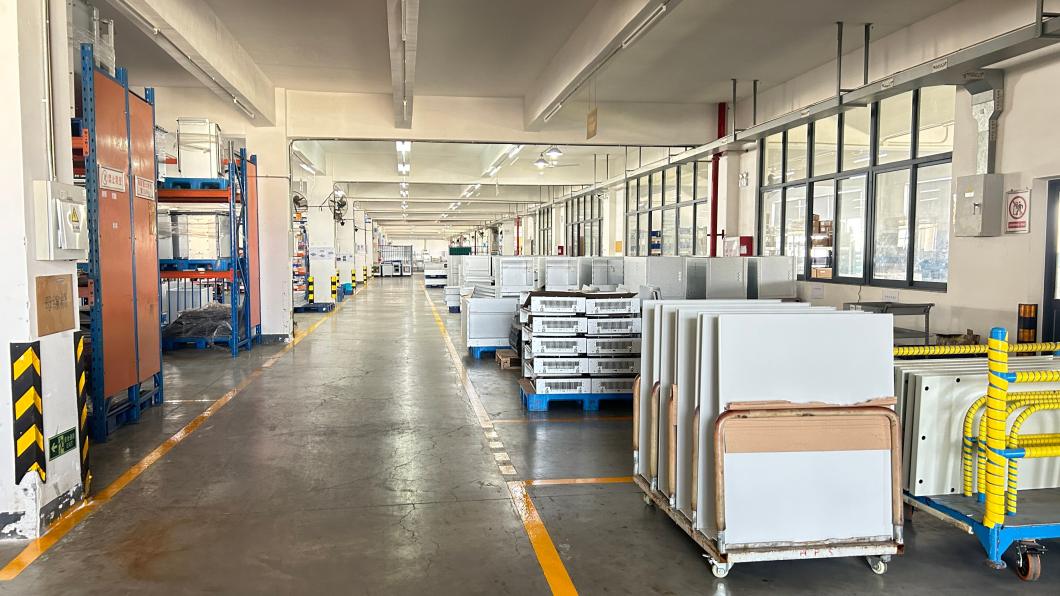
Full-service sheet metal fabrication covers every production stage, including design review, material selection, cutting, forming, welding, assembly, and surface finishing.
Instead of coordinating multiple suppliers, buyers benefit from a single-source manufacturing model—commonly used in Custom Sheet Metal Fabrication Services for industrial and OEM applications. This approach improves dimensional accuracy, reduces material waste, and ensures better control over schedules and quality.
Note: Full-service providers help buyers by doing everything in one place. Buyers do not have to talk to many vendors or worry about missing steps.
Industry experts say full-service sheet metal fabrication has big benefits:
It helps make custom parts for different jobs.
It keeps sizes correct, even for tricky shapes.
It gives products a tough and good-looking finish.
A true full-service provider operates with design, engineering, fabrication, and quality control teams under one roof. This structure is essential for Precision Sheet Metal Manufacturing, where tight tolerances, repeatability, and traceability are critical.
By keeping key processes in-house, manufacturers can respond quickly to design changes, production adjustments, and urgent delivery requirements without relying on external vendors.
Having all skills in-house gives many good things:
Teams work together from the beginning. They fix problems early and make better choices.
The company can handle changes fast without slowing down.
Machines and skilled workers help stop mistakes and make things better.
Buyers get their parts faster because there are no waits between shops.
Modern full-service shops use new tools and technology. They use laser cutters, special machines, and robots that work with people. These tools help them make parts quickly and with fewer mistakes. Some companies use computer models to plan before making anything. They also use green materials and ways to help the environment.
Tip: When buyers pick a provider with all services in one place, they get better quality, faster delivery, and more choices. This helps with big projects and keeps costs low.
Full-Service Sheet Metal Fabrication helps buyers by making the process easy, steady, and quick. It helps them avoid delays, extra costs, and bad quality.
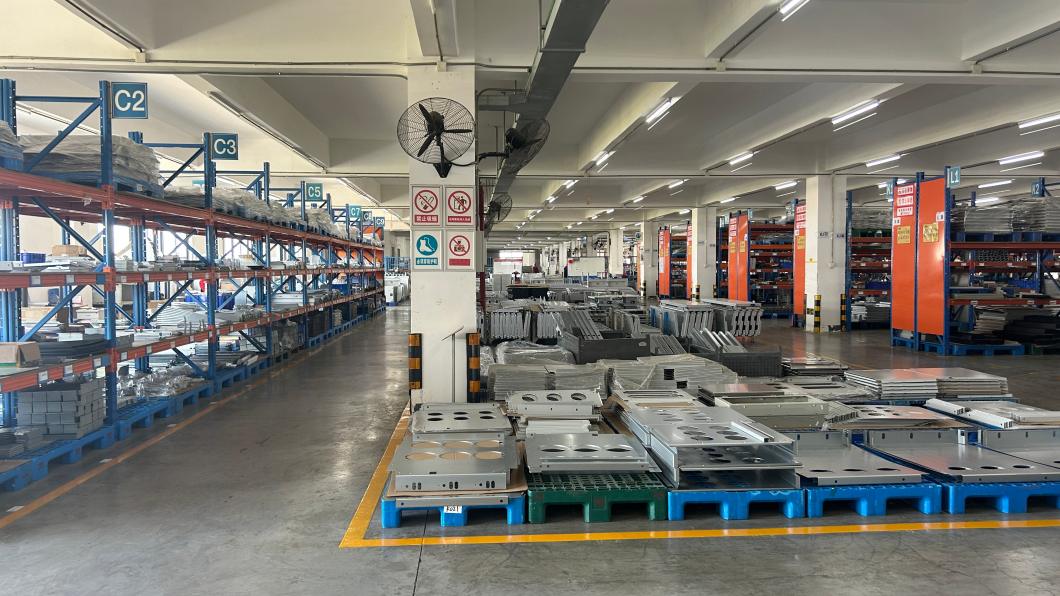
Engineering support is often where buyers see the greatest value in full-service fabrication. Design teams help simplify part structures, recommend cost-effective materials, and ensure compliance with application and industry standards.
For projects involving Industrial Metal Enclosure Fabrication, early-stage engineering input can significantly improve structural strength, heat dissipation, and assembly efficiency. Some things they do are:
Making designs that use less material and save time
Choosing the right materials for each job
Using computers to check shapes and sizes
Planning how to cut and shape parts to fit well
Helping start new products and making sure rules are followed
Looking for problems before making parts
These steps help buyers get strong parts. The parts work well in real life.
Cutting and forming change flat metal into shapes. Full-service shops use special tools for this. Water jet cutting uses strong water to cut metal. Laser cutting is good for small, detailed parts. It does not need extra tools. Large machines can cut, bend, and roll big pieces. These ways help make parts fast and very exact.
Welding and assembly join metal pieces together. Skilled welders use different ways to make strong joints. Many welders have AWS and ASME certificates. This means they follow tough rules. Teams use careful plans so every part fits well and lasts long. They keep notes on each step and check their work often. This helps buyers know every part will work for them.
Finishing and quality control make sure parts look good and work right. Teams check materials for strength and thickness first. They use special machines to cut, bend, and put parts together. At the end, they test each part for size, strength, and looks. Common checks are:
Reports that show sizes are correct
First checks of new parts
Papers that prove parts meet rules
Companies with CE certificates follow safety and quality rules. They check every step, from start to finish, to meet high standards.
Doing all these steps in one place helps buyers. They get better parts, faster delivery, and fewer mistakes.
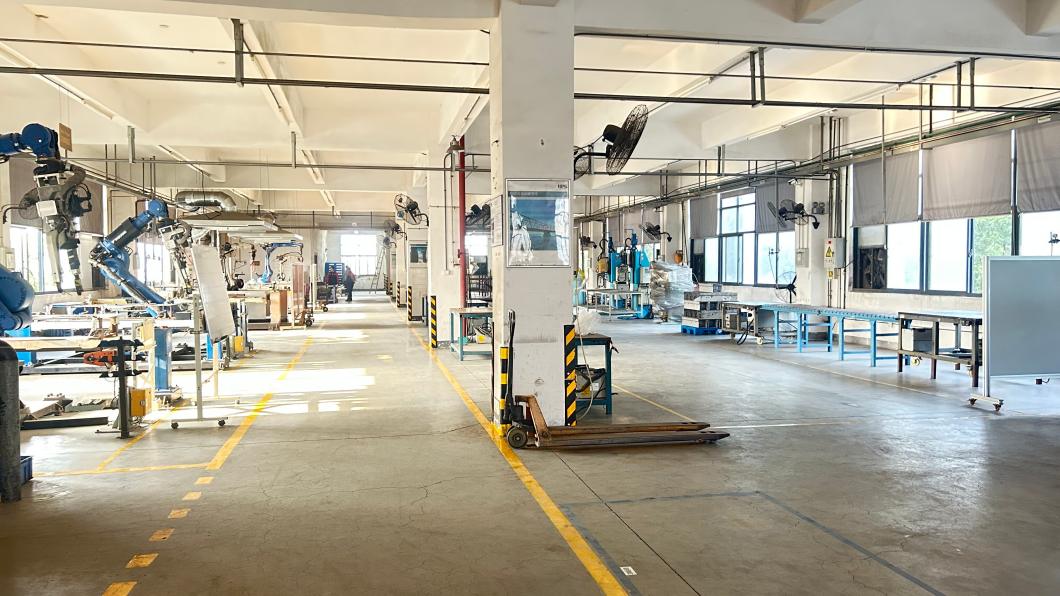
Full-Service Sheet Metal Fabrication providers make high-quality products. They use clear steps and skilled teams to keep standards high. Every part of the process gets checked closely. This helps stop mistakes and keeps products the same. Teams listen to buyers and try to do even better than asked. They look for problems early so projects go well. Buyers can see each step of their order. If something goes wrong, they get quick help.
|
Aspect |
Explanation |
|---|---|
|
Consistent High-Quality Products |
Makes sure products have few mistakes and meet high standards. |
|
Customer-Centric Approach |
Teams work to understand buyers and make them happy. |
|
Efficiency and Cost Savings |
Good steps mean fewer mistakes, faster work, and lower costs. |
|
Proactive Risk Management |
Teams find problems early so work goes smoothly. |
|
Full Traceability and Accountability |
Buyers can find and fix problems fast to keep quality high. |
Full-service providers help buyers finish projects quickly. All steps happen in one place, so there is less waiting. Teams work together and fix problems fast. This helps projects meet deadlines and stay on track. When one company does everything, buyers do not need many suppliers. This saves time and makes things easier.
|
Risk Type |
Description |
|---|---|
|
Lead Time Risk |
Using many vendors can slow down projects. Full-service shops control time better. |
Tip: Buyers who pick full-service providers get faster results and fewer delays.
Buyers save money with full-service providers. These companies use smart ways to stop waste and mistakes. They give design tips to avoid costly changes. Teams use materials they already have, which keeps prices low. By doing fabrication and assembly together, they work faster and better.
Simple steps that make work faster and easier.
Careful checks to stop mistakes and save money.
Design tips to avoid slowdowns and extra work.
Using materials on hand to keep costs low.
Doing all steps together to work faster.
No need to talk to many suppliers.
Fewer mistakes and less rework during assembly.
Better work and more savings with smart steps.
Buyers check their investment by looking at more money earned and less manual work. For example, new machines and automation can help make more money each year and keep work steady.
Full-service providers let buyers pick many options. Buyers can choose finishes, shapes, and sizes they want. Teams improve designs and test them to meet rules. They use different cutting and welding for each job. Certified welders make sure every part meets tough standards.
|
Customization Option |
Description |
|---|---|
|
Finishing Options |
Choices go from basic to fancy finishes. |
|
Tolerances |
Parts can be made very exact in size and shape. |
|
Design Refinement |
Teams can change and test designs to meet rules. |
|
Fabrication Techniques |
Includes laser cutting, bending, rolling, and punching. |
|
Custom Welding and Assembly |
Welders use special ways to meet strict standards. |
Full-service shops can change designs from plans or drawings.
Picking the right cutting method depends on metal type and thickness.
Special welding and assembly make sure parts meet industry rules.
Buyers get help from one company for every step. This makes managing projects easier. Teams talk to each other and work together. Projects finish on time and meet goals. Problems get fixed fast because there is one contact.
|
Benefit |
Explanation |
|---|---|
|
Streamlined Project Management |
One company handles everything so projects finish on time. |
|
Enhanced Communication |
Teams work together and share information easily. |
|
Reduced Delays |
One team means fewer problems and less waiting. |
Note: Using many vendors can cause problems like broken machines, bad quality, and slow work. Full-service providers help stop these issues and protect ideas.
|
Risk Type |
Description |
|---|---|
|
Operational Risk |
Problems like broken machines or not enough workers can stop work. Many vendors may help, but only if they have extra space and skilled people. |
|
Quality Risk |
Many vendors can make it hard to find and fix mistakes. One company can fix problems faster. |
|
Lead Time Risk |
Many vendors can slow down projects. Full-service shops control time better. |
|
Financial Risk |
Many vendors can help avoid shutdowns, but losing one can still hurt work, especially if secrets are lost. Full-service shops are often more stable. |
|
Intellectual Property Risk |
More vendors mean more risk of losing secrets. Full-service shops keep secrets safer and make rules easier. |
Full-Service Sheet Metal Fabrication providers help buyers get better results, save money, and finish projects on time. They make the process simple and steady, which builds trust with buyers.
Picking the right sheet metal fabrication partner is important. It can help make a project go well or not. Experts say buyers should look for some key things. These things show if a fabricator can do easy and hard jobs.
If a provider has done similar work, they know what to do.
Good workers and enough tools help make strong parts.
New machines help make parts quickly and with care.
Good vendor friends help get materials and keep work on time.
Where the shop is and how far they go affects delivery speed.
Fair prices and clear quotes help buyers plan their money.
Doing finishing in-house means faster work and better checks.
Big enough buildings let them do small or big jobs.
A good name and happy customers mean they are trusted.
Quality checks and certificates show they follow the rules.
Certifications and skills are also important. The table below shows some that matter:
|
Certification/Qualification |
Description |
Benefits |
|---|---|---|
|
ISO 9001:2015 Certification |
This is a world rule for quality. |
It helps make sure work is good for jobs like planes and hospitals. |
|
ITAR Registration |
This is for making defense parts. |
It means they can make parts for defense and follow the law. |
|
Material Certification |
This checks the materials used. |
It makes sure the metal is good, follows rules, and lowers risk. |
Tip: Providers who train their teams and keep learning can do hard jobs and fix problems fast.
Buyers should ask simple questions to check if a provider is full-service. These questions show how the provider runs projects, checks quality, and talks to buyers.
Who is the main manager, and how often will you give updates?
What systems do you use to track parts and time?
Can you tell me how you move a project from start to end?
Do you need a test order before making lots of parts?
What work do you do in your shop and what do you send out?
How many jobs can your team do at the same time?
Can your team work with electrical, motion, or fluid power systems?
How do you handle changes in parts or materials?
Can you work with consignment or mixed bills of materials?
What do you do to check new materials?
A good provider will answer these questions clearly and with details. This helps buyers feel sure about picking them and trusting their work.
Buyers pick full-service sheet metal fabrication for many reasons. These shops do lots of different jobs. They use new machines and tools. All the work happens in one place. Teams inside the shop help with design, cutting, and finishing. This makes projects go well and easy to manage. It also saves time and keeps the quality high. For the next project, buyers can ask a trusted full-service provider for a price or advice.
Full-service fabricators use steel, aluminum, stainless steel, copper, and brass. They pick the metal that works best for each job. They think about how strong it is, how much it costs, and what it will be used for.
Teams do all the work in one place. This means less waiting and faster delivery. Buyers get their parts quickly and do not have to worry about delays.
Yes. Full-service shops can design and build custom parts. They use advanced machines and skilled workers to make parts that fit what buyers want.
They check every step, from design to finishing. Teams use special tools to measure size, strength, and looks. This makes sure each part meets high standards.
Yes. Design teams help buyers change or improve designs. They suggest better materials or shapes to save money and make parts work better.
 Get a Quote Now


 IPv6 Network Supported
Leave A Message
Scan to Wechat :

Scan to Whatsapp :

Hi! Click one of our members below to chat on

 English
 Français
 Deutsch
 Русский
 Italiano
 Español
 Nederland
 日语
日语 한국어
한국어 Svenska